
The History of Barndominiums
The concept of combining agricultural architecture with residential comfort has evolved from a practical necessity into a prominent architectural trend. These unique structures, which blend the expansive, open-concept nature of barns with the sophisticated amenities of modern homes, offer a versatile alternative to traditional housing. By tracing the lineage of these dwellings, we can better understand how they became symbols of sustainable and customizable living for homeowners across the country. As interest in non-traditional housing grows, these structures stand out for their ability to offer massive square footage and high ceilings that standard residential designs simply cannot replicate.
Tracing the Historical Roots
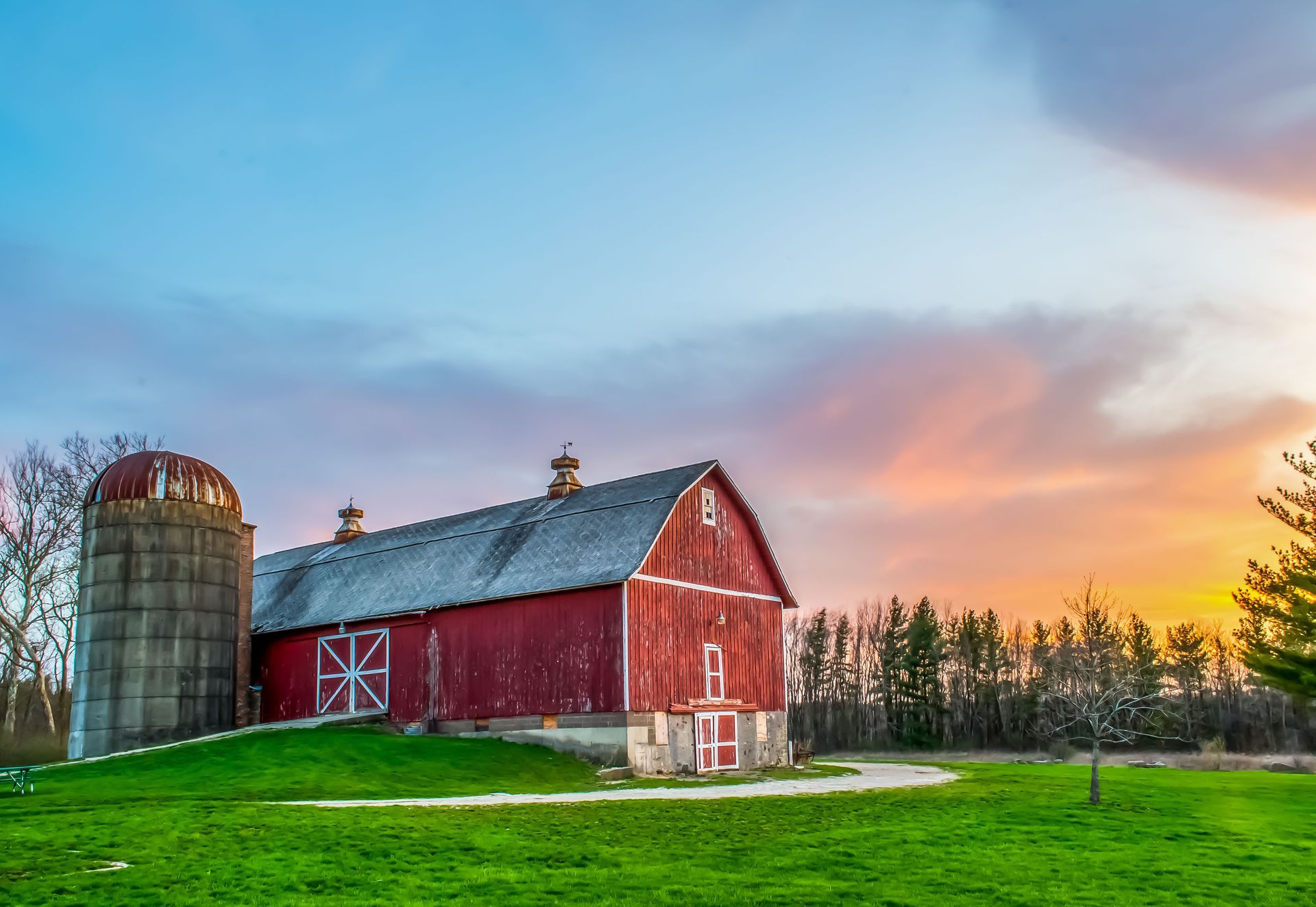
Barns have been the backbone of agricultural societies for centuries, serving as durable hubs for livestock and storage. Over time, landowners began to see the potential in these resilient shells, adapting them into rudimentary living quarters to save on construction costs. This transition from purely functional storage to hybrid living spaces laid the essential groundwork for the modern residential movement. Often, these early adaptations were born out of necessity in rural areas where building materials were scarce, but the existing timber frames provided a solid foundation for creative expansion.
While people have lived in barns for ages, the specific branding of these homes is a more recent development. According to the New York Times, the term “barndominium” has been around since 1989, coined by real estate developer Karl Nilsen. Since then, the name has become synonymous with a lifestyle that prioritizes large, open floor plans and a rustic-industrial aesthetic that traditional suburban homes often lack. This terminology bridged the gap between agricultural utility and condominium-style luxury, creating a new category in the real estate market.
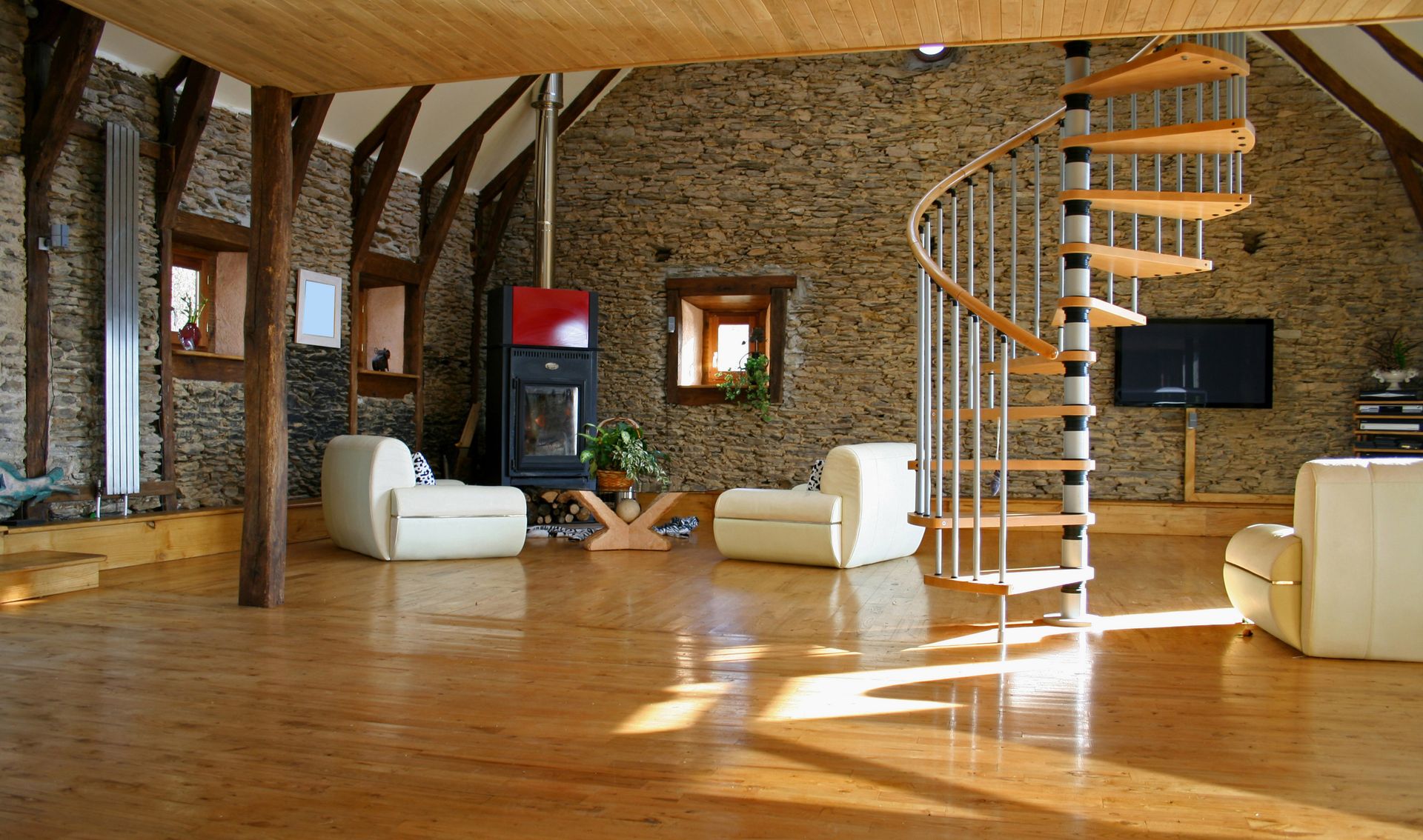
The early adoption of barndominiums was driven by a need for efficiency and a desire to preserve historical rural structures. Pioneers of the trend recognized that the steel or timber frames of barns provided a clear-span interior, allowing for a level of design flexibility that was revolutionary. This initial creative spark has since transformed into a widespread housing phenomenon that continues to influence modern architecture. By removing load-bearing interior walls, owners gained the freedom to place kitchens, bedrooms, and lofts anywhere within the massive structural envelope.
Rising Through the 20th Century
Following World War II, a sudden surge in housing demand forced builders and families to become more resourceful. Repurposing existing agricultural buildings into barndominiums provided a swift and affordable path to homeownership. This period of innovation highlighted the practicality of using pre-existing structural footprints to create expansive homes that could be built in a fraction of the time required for standard stick-built houses. It was a time when functionality reigned supreme, and the large doors and high ventilation of barns were seen as assets rather than obstacles.
Economic shifts throughout the mid-to-late 1900s further solidified the appeal of these homes. As the cost of traditional construction materials fluctuated, the efficiency of steel-frame barn kits became an attractive alternative for those looking to maximize their square footage. Homeowners found they could achieve a custom, high-end look for a lower price point, sparking a movement that balanced luxury with fiscal responsibility. The modular nature of many barn designs also meant that families could start with a smaller living area and expand into the rest of the shell as their budget allowed.
Cultural changes also played a role, as more individuals began to seek out alternative, land-based lifestyles away from crowded urban centers. The barndominiums of this era symbolized a return to simplicity and self-sufficiency. By integrating living and working spaces under one roof, these structures perfectly matched the ethos of a growing demographic of entrepreneurs and artisans who valued functional, unpretentious living environments. This era saw the rise of the "hobby farm" lifestyle, where the home and the workshop were no longer separated by a long commute.
Innovating for the 21st Century
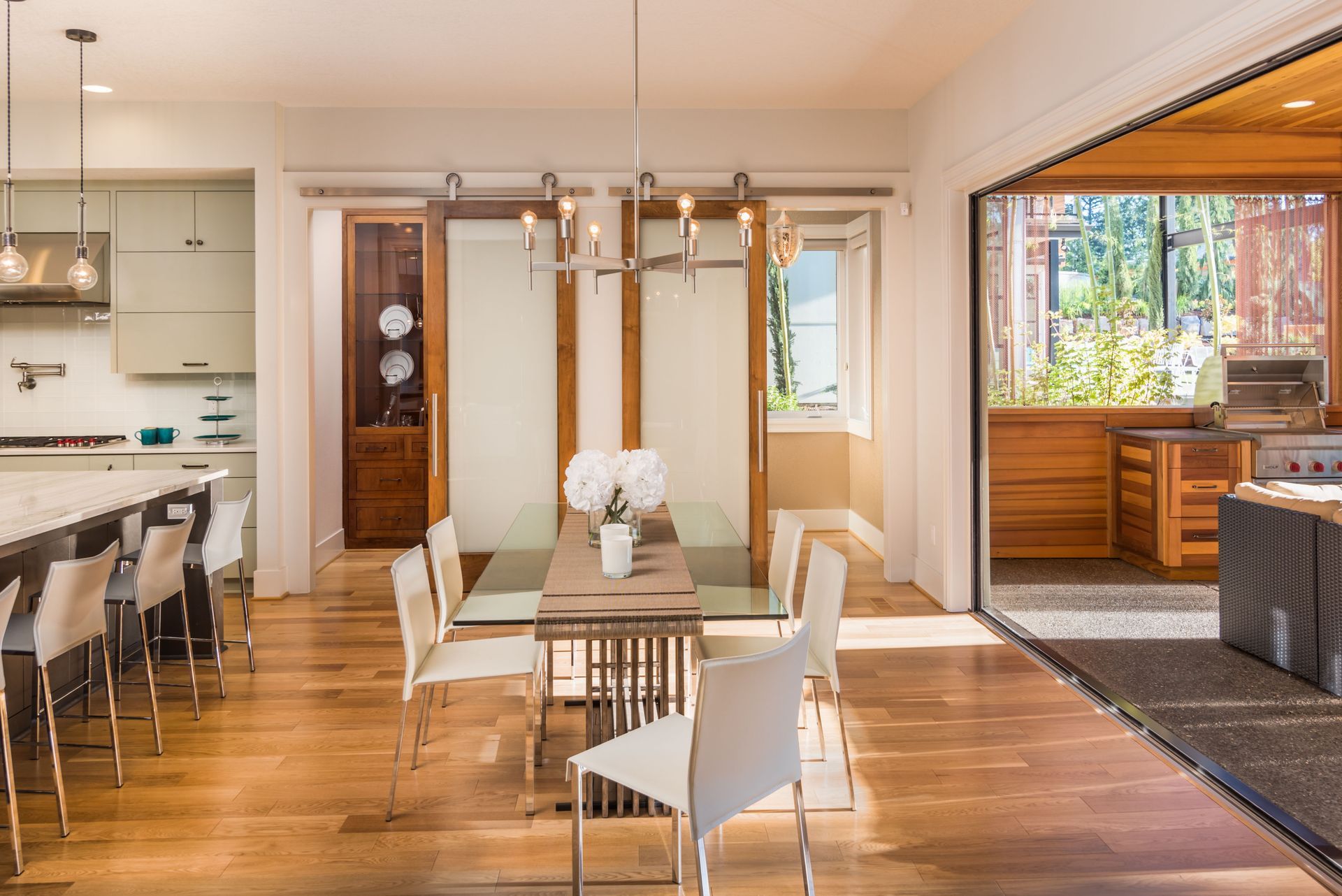
In recent years, the design of barndominiums has leaped into the future with sleek, modern innovations. Contemporary architects now utilize industrial materials like corrugated metal and polished concrete alongside massive glass windows to create light-filled, sophisticated interiors. These designs often incorporate high-efficiency HVAC systems and smart home technologies, proving that a barn-inspired shell can host the most advanced modern conveniences. Today's builds often feature wrap-around porches and custom mezzanine levels that take full advantage of the soaring vertical space.
Sustainability has become a primary driver for the modern homeowner, and barndominiums are frequently at the forefront of the green building movement. Their steel frames are often made from recycled materials and are designed for extreme longevity. Passive solar designs and high-performance spray foam insulation allow these massive spaces to remain energy-efficient, appealing to those who want a smaller environmental footprint without sacrificing space. Many owners also integrate rainwater harvesting and solar arrays into the large, unobstructed roof surfaces typically found on these buildings.
Navigating Building and Regulations
Despite their popularity, constructing barndominiums often requires navigating complex zoning laws and building codes. Because many of these structures are built on land previously designated as agricultural, owners must work closely with local authorities to ensure their property is legally zoned for residential use. Proper planning is essential to ensure that the transition from a farm structure to a legal dwelling meets all regional safety standards. This often involves detailed discussions with county commissioners to prove that the home will have proper septic, water, and fire-safe access.
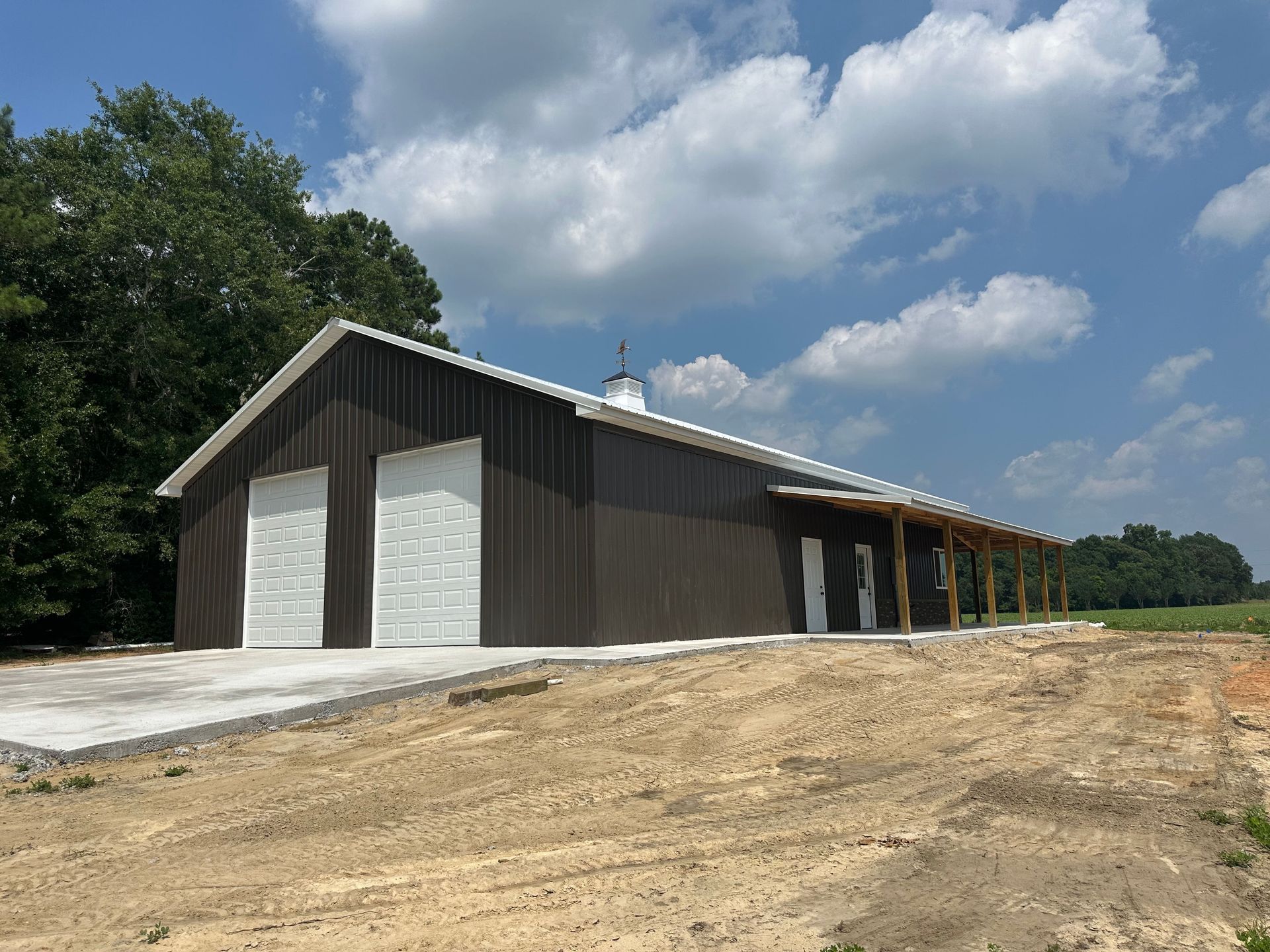
Retrofitting older barn structures presents its own set of unique challenges. Ensuring the structural integrity of a decades-old frame while installing modern plumbing and electrical systems requires specialized expertise. Many builders now opt for "new-build" barn kits that mimic the classic look while meeting modern residential codes from the start. This approach offers the aesthetic charm of a barn with the structural guarantees of a new home. It allows for the use of modern footings and moisture barriers that were non-existent in the agricultural buildings of the past.
Projecting Future Housing Trends
The future of barndominiums looks bright as they continue to evolve alongside construction technology. We are seeing a move toward modular components and 3D-printed elements that could further reduce build times and costs. As remote work remains a permanent fixture for many, the "live-work" flexibility of these structures makes them an ideal solution for those who need integrated office or workshop space within their primary residence. The ability to partition off a portion of the structure for a home business without disturbing the residential quarters is a massive selling point.
There is also an emerging trend of urban implementation, where industrial warehouses are being converted using the same principles that define rural barndominiums. This adaptive reuse helps revitalize urban neighborhoods while providing residents with the large, open-concept lofts they desire. The versatility of the "barn" shell ensures it can meet diverse housing needs, from remote mountain retreats to chic industrial city dwellings. It showcases the architectural truth that a strong, open shell is the most sustainable way to build for the long term.
As the housing market continues to favor customization and efficiency, the influence of these structures will likely expand globally. Their ability to adapt to various climates and terrains, using resilient materials that withstand extreme weather, makes them a practical choice in an era of environmental uncertainty. The journey from a simple shelter for livestock to a world-class architectural statement is far from over, as more families realize that a home should be as unique as the people living inside it. For more information about the services that we offer, reach out to our incredible team at Custom View Contracting, LLC today!

Share On: